Mothers, protect your child's oral health
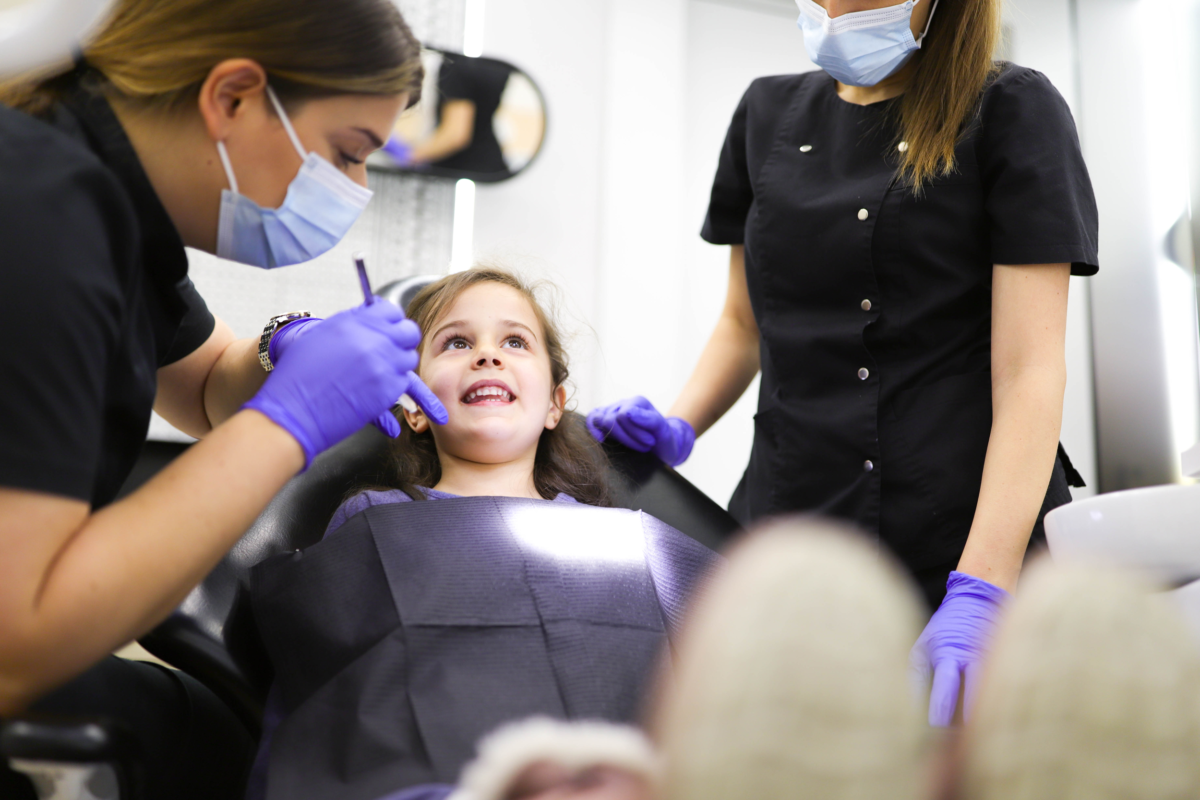
Between the ages of 0 and 16, the most important role in children's lives is played by their parents or guardians, so it is extremely important that they are well educated about dental health and that they pass on their knowledge to their children.
Education of parents about oral hygiene, feeding methods and food in general are the main goal of an early visit to the dentist before the first year of life. This is especially important for the early initiation of preventive measures in newborns.
Great attention is paid to maintaining oral hygiene during breastfeeding. It is known that this is a period of development and that children can eat up to six times a day. Regardless of the large number of meals, with good oral hygiene it is possible to maintain oral health at a high level.
Many believe that oral hygiene is not necessary for newborns. Maintaining oral hygiene after each meal, whether through breastfeeding or through artificial nutrition (bottle feeding), prevents the occurrence of caries. Despite the fact that a newborn does not have teeth, he has an oral environment with a risk for the development of oral and dental diseases and must be protected as such.
How to protect the oral environment?
It is recommended to start maintaining oral hygiene a few days after birth. Although the first teeth appear in the mouth only around the sixth month, this attitude makes sense, if you take into account the fact that food residues, bacteria and deposits on the oral mucosa can damage the teeth in the very process of eruption. To prevent this from happening, it is recommended to rinse the baby's mouth with water or some unsweetened liquid after each feeding and wipe the inside of the mouth with a special tissue with xylitol to mechanically remove food residues. Instead of brushes in this period, you can also use ordinary gauze to remove deposits from the oral cavity with light movements. Xylitol can also have a positive effect if the mother uses it.
When?
It is believed that the mother's intake of xylitol (most chewing gums contain it) in the perinatal period, as well as up to the child's first year, prevents the colonization of the child's mouth with Streptococcus mutans bacteria. The primary infection of a baby with this microorganism occurs from 2 months and up to 4 years at the latest.
Mothers are advised not to taste food with the same spoon they feed their children, to avoid putting the child to sleep with a bottle of sweet drinks and giving sweetened drinks at night, and special emphasis is placed on throwing out pacifiers dipped in sweeteners, e.g. honey.
From this we can see that parents are responsible for the oral health and beauty of children's teeth from the first days of life. Healthy and beautiful teeth are a source of pride not only for children but also for parents. Therefore, we advise you to visit the Floss&Gloss dental office where you can get detailed instructions on how to maintain oral hygiene. of your child.